Today
Open
10:00-18:00
Café Liebermann, Klinger Hall, and Rotunda
SCULPTURAL. The New Galleries is the first-ever large-scale presentation of the Hamburger Kunsthalle’s sculpture collection, spanning multiple media and periods. Across an area of 1,500 square metres, over 500 sculptures, reliefs, paintings, works on paper and photographs as well as spatial and video installations from 2,500 years of art history will prompt some surprising comparisons – antiquity versus the present day, two versus three dimensions, miniature versus monumental.
A special focus is the museum’s recently uncovered trove of »sculptures en miniature«, as the first director, Alfred Lichtwark, called these tours de force of numismatic art in the form of coins, medals and sculptural reliefs in gold, silver and bronze. These new discoveries will be exhibited alongside masterpieces in multiple media, such as larger-than-life sculptures by Auguste Rodin and Aristide Maillol, while antique portraits enter into a dialogue with contemporary photography, and reliefs by Käthe Kollwitz with body casts from the 1960s and video works by Marina Abramović and others.
The presentation developed out of the research project »From the second to the third dimension«, for which around 6,000 coins, medals and plaques are for the first time being reviewed, restored, digitised and researched in their respective contexts. The first objects will be published online in April 2026.
The research and presentation are made possible by the Dorit & Alexander Otto Foundation, which is once again acting as a major sponsor.
Other cooperation partners include the University of Hamburg, the Staatliche Museen zu Berlin and the Musée d’Orsay, Paris.
Marina Abramović, Lawrence Alma-Tadema, Eleanor Antin, Karel Appel, Hans Arp, Ernst Barlach, Joseph Beuys, Arnold Böcklin, Victor Bonato, Louis Alexandre Botté, Maximilian Bourgeois, Constantin Brancusi, François-Rupert Carabin, Anne Marie Carl-Nielsen, Jean-Baptiste Carpeaux, Giovanni Cavino, Jules-Clément Chaplain, Henri Chapu, Alexandre Charpentier, Jean Carriès, Roert Cauer d. Ä., Charles Henri Joseph Cordier, David d’Angers, Sebastian Dadler, Salvador Dalí, Aimé Jules Dalou, Maximilian Dasio, Edgar Degas, Daniel Dupuis, Henri Dubois, Marcel Duchamp, Julius von Ehren, James Ensor, Peter Friedl, August Gaul, Alberto Giacometti, Julio González, Anton Graff, Geneviève Granger, Henri Charles Guérard, Friedrich Hagemann, Mona Hatoum, Armand Francois-Joseph Henrion, Adolf von Hildebrand, Johann Georg Hinz, Jacob Jacobs, Juriaen Jacobsz, Max Klinger, Wilhelm Lehmbruck, Daniel Friedrich Loos und Friedrich Wilhelm Loos, Heinrich Kautsch, Fernand Khnopff, Käthe Kollwitz, Max Klinger, Eva Kmentová, Jannis Kounellis, Elena Kovylina, Henri Laurens, Maria Lassnig, Alphonse Eugène Lechevrel, Elena Luksch-Makowsky, Aristide Maillol, Marino Marini, Ewald Mataré, Henri Matisse, Adolph Menzel, Franz Xaver Messerschmidt, Olaf Metzel, Marielle Mosler, Bruce Nauman, Shririn Neshat, Ivan Pinkava, Victor Peter, Antonio Pisanello, Pablo Picasso, Hubert Ponscarme, Laure Prouvost, Christian Daniel Rauch, Man Ray, Hans Reinhart d. Ä., Johann Reteke, Germaine Richier, Jean Désiré Ringel d'Illzach, Pierre Roche, Auguste Rodin, Oscar Roty, Thomas Ruff, Otto Sigismund Runge, Johann Gottfried Schadow, Peter Sadofsky, Anton Scharff, Janet Scudder, Georges Segal, Jiri Seifert, Jaroslava Severová, Renée Sintenis, Daniel Spoerri, Christian Friedrich Tieck, Adriaen Valck, Mary Warburg, Hannah Wilke, Ovide Yencesse and others
The sculptural forms suggest associations between dimensions and times based on themes such as the settings for art and the emotions and facial expressions in portraits and masks. While the museum’s col-lection has to date focused on a span of 800 years, here it will be extended by further eventful centuries. Loans of prime works from the Musée d’Orsay in Paris and European private collections will complement the selection from the permanent collection on display in the new sculpture galleries. These extend from the classical columned hall, an architecturally imposing symbol of an early engagement with antiquity, to the rotunda, where a large site-specific contemporary work has been commissioned to conclude the exhibition circuit.
Made possible by Dorit & Alexander Otto Stiftung, who already supported the modernisation of the Kunsthalle in 2016.
Cooperation partners:
• Universität Hamburg, Institute for Archaeology and Cultural History of the Ancient Mediterranean Region
• Staatliche Museen zu Berlin, Portal ikmk.net
• Musée d’Orsay, Paris
Curator and Director of the Collection and Research Project
Assistant Curator, Project Coordinator and Research Assistant
Research Assistant in Numismatics
Production Manager and Project Assistant
Student Assistants




Säulensaal im Altbau der Hamburger Kunsthalle1928
InfoÖl auf Leinwand
89,7 x 104 cm
Bildrechte© Hamburger Kunsthalle / bpk, Foto: Elke Walford
Öl auf Leinwand89,7 x 104 cm © Hamburger Kunsthalle / bpk, Foto: Elke Walford Julius von Ehren1864–1944Säulensaal im Altbau der Hamburger KunsthalleÖl auf Leinwand89,7 x 104 cm© Hamburger Kunsthalle / bpk, Foto: Elke Walford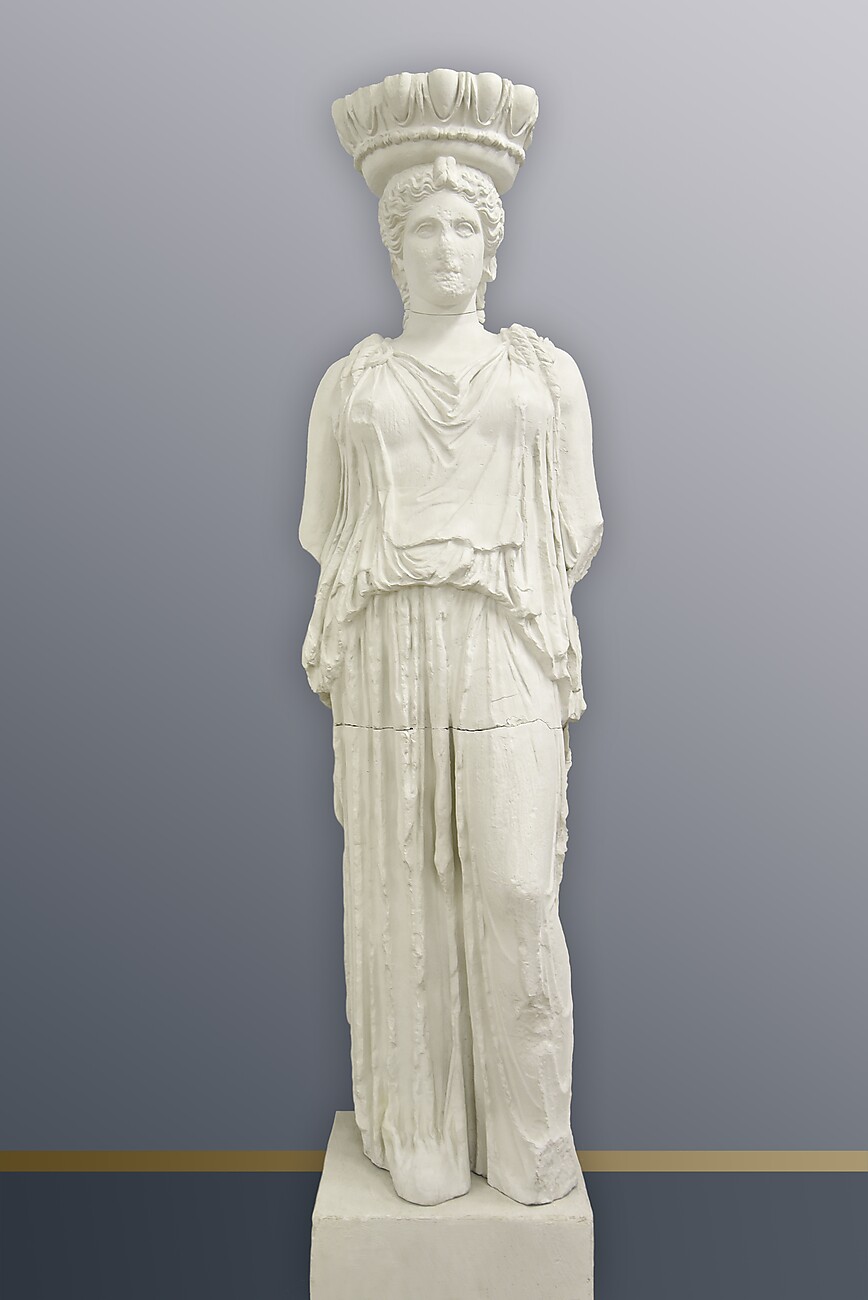
Gipsabguss der Karyatide C vom Erechtheion2. Hälfte 19. Jh.
InfoGips
230 x 80 cm
Bildrechte© Gipsabguss-Sammlung, Universität Hamburg / UHH-RZZ-MCC-Mentz
Gips230 x 80 cm © Gipsabguss-Sammlung, Universität Hamburg / UHH-RZZ-MCC-Mentz AnonymGipsabguss der Karyatide C vom ErechtheionGips230 x 80 cm© Gipsabguss-Sammlung, Universität Hamburg / UHH-RZZ-MCC-Mentz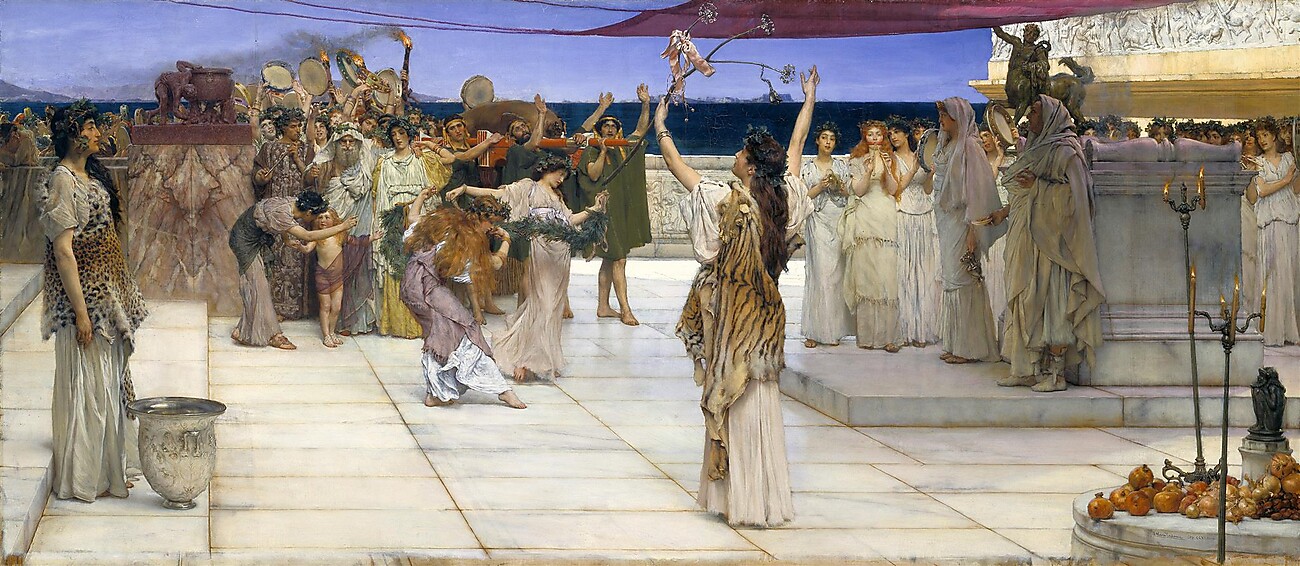
Eine Weihung an Bacchus1889
InfoÖl auf Leinwand
77,5 cm x 177,5 cm
BildrechteHamburger Kunsthalle, Freiherr Johann Heinrich von Schröder-Stiftung, 1910
Hamburger Kunsthalle / bpk, Foto: Elke Walford
Öl auf Leinwand77,5 cm x 177,5 cm Hamburger Kunsthalle, Freiherr Johann Heinrich von Schröder-Stiftung, 1910Hamburger Kunsthalle / bpk, Foto: Elke Walford Lawrence Alma-Tadema1836 - 1912Eine Weihung an BacchusÖl auf Leinwand77,5 cm x 177,5 cmHamburger Kunsthalle, Freiherr Johann Heinrich von Schröder-Stiftung, 1910Hamburger Kunsthalle / bpk, Foto: Elke Walford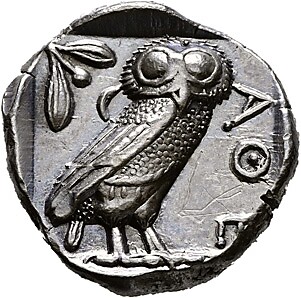
Rückseite der Münze: Eule440–420 v. Chr.
InfoSilber
Ø 24 mm, 17,09 g
Bildrechte© Hamburger Kunsthalle
SilberØ 24 mm, 17,09 g © Hamburger Kunsthalle Athen, TetradrachmeRückseite der Münze: EuleSilberØ 24 mm, 17,09 g© Hamburger Kunsthalle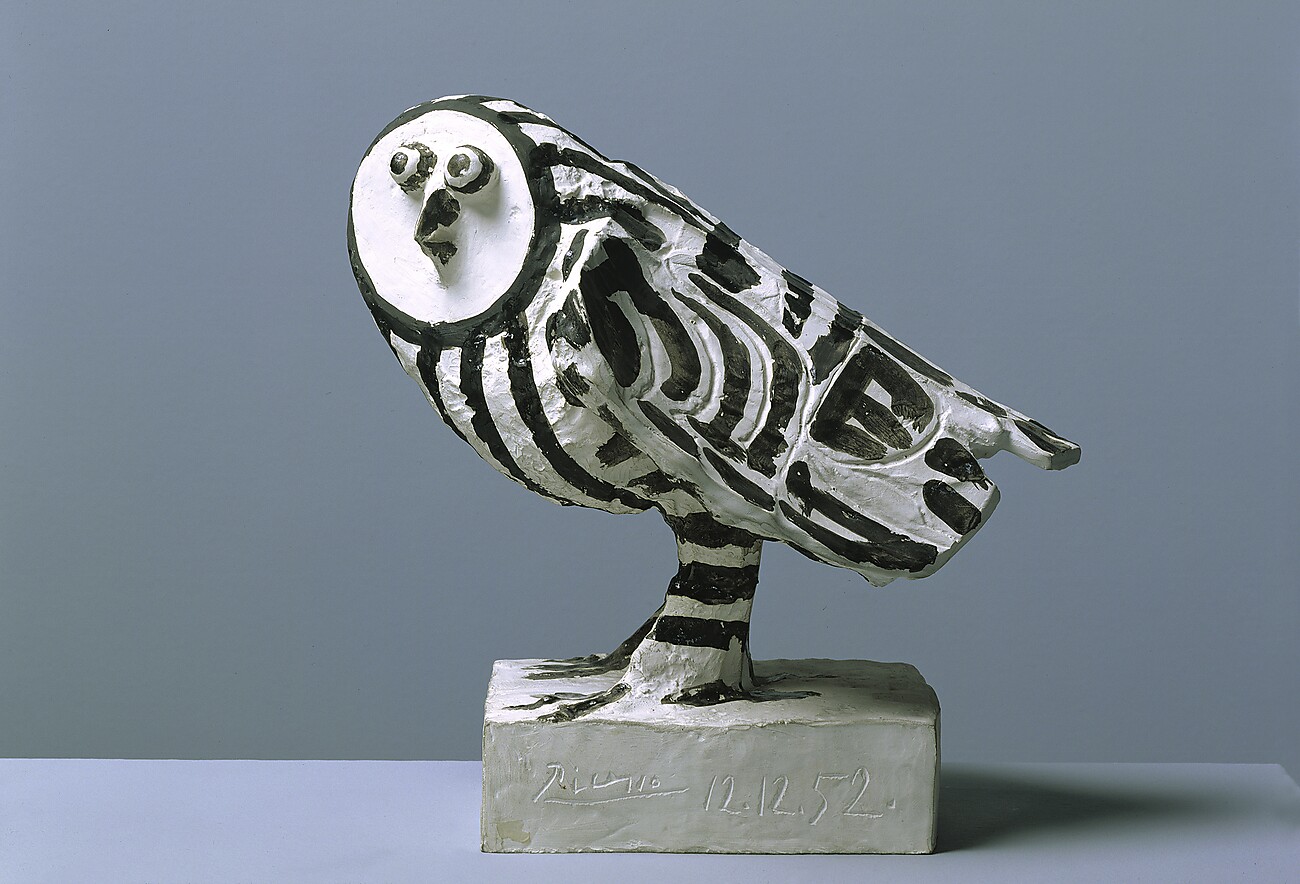
Die Eule1952, 12.12.
InfoGebrannter Ton, bemalt
34 x 25 x 34,5 cm
BildrechteHamburger Kunsthalle, erworben 1956, © Succession Picasso / VG Bild-Kunst, Bonn 2025
© Hamburger Kunsthalle / bpk, Foto: Elke Walford
Gebrannter Ton, bemalt34 x 25 x 34,5 cm Hamburger Kunsthalle, erworben 1956, © Succession Picasso / VG Bild-Kunst, Bonn 2025© Hamburger Kunsthalle / bpk, Foto: Elke Walford Pablo Picasso1881–1973Die EuleGebrannter Ton, bemalt34 x 25 x 34,5 cmHamburger Kunsthalle, erworben 1956, © Succession Picasso / VG Bild-Kunst, Bonn 2025© Hamburger Kunsthalle / bpk, Foto: Elke Walford
Auf Jeanne Mathilde Claude (Vorderseite)1887
InfoMedaille: Kupfer, versilbert
Ø 124 mm, 92,50 g
Bildrechte© Hamburger Kunsthalle Foto: B. Seifert / Lübke+Wiedemann / Germany
Medaille: Kupfer, versilbertØ 124 mm, 92,50 g © Hamburger Kunsthalle Foto: B. Seifert / Lübke+Wiedemann / Germany Jules-Clément Chaplain1839–1909Auf Jeanne Mathilde Claude (Vorderseite)Medaille: Kupfer, versilbertØ 124 mm, 92,50 g© Hamburger Kunsthalle Foto: B. Seifert / Lübke+Wiedemann / Germany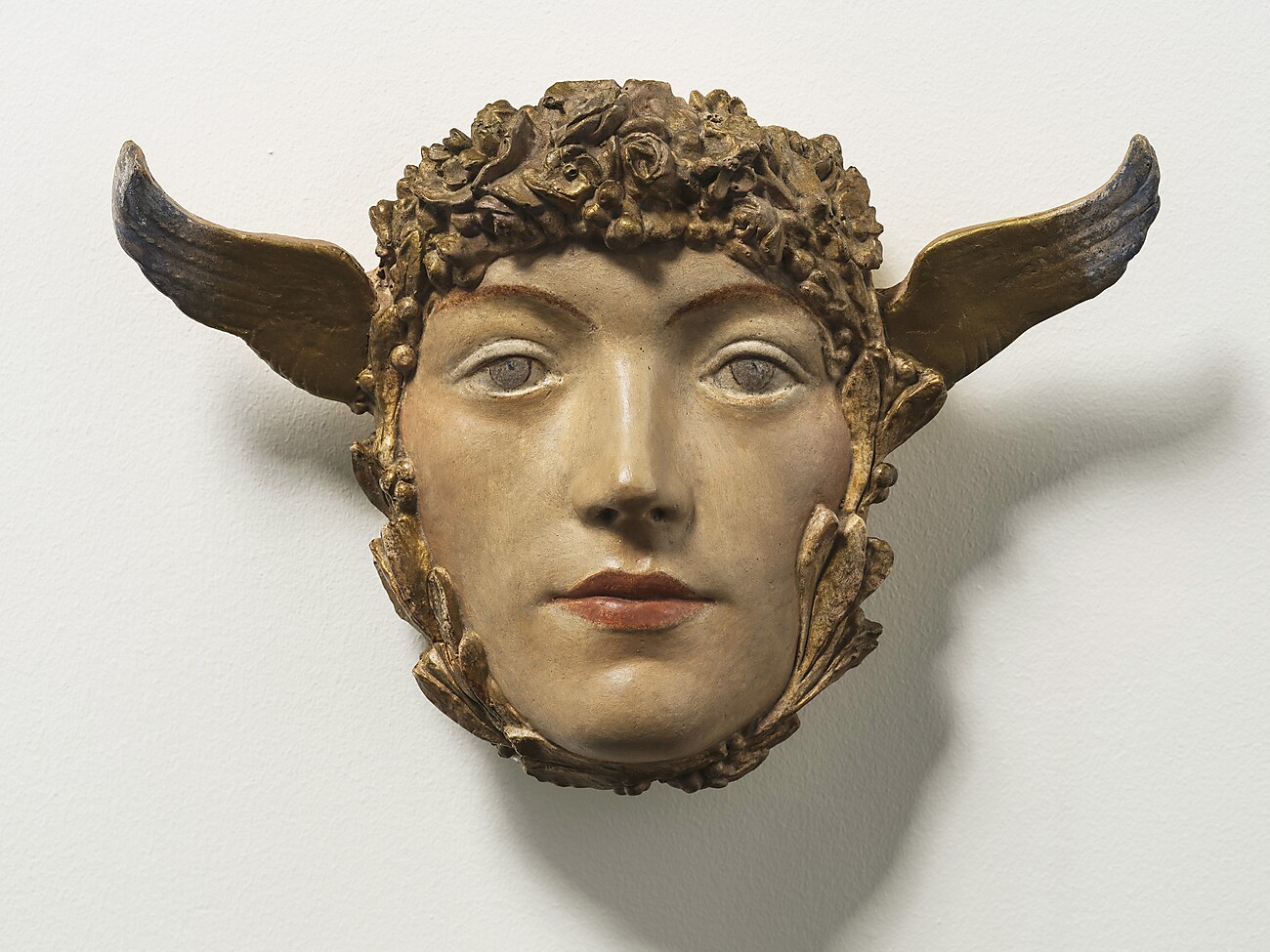
Eine Maske (Un masque)um 1897
InfoGips, farbig gefasst
18,5 x 28 x 6,5 cm
Bildrechte© Hamburger Kunsthalle / bpk, Foto: Christoph Irrgang
Gips, farbig gefasst18,5 x 28 x 6,5 cm © Hamburger Kunsthalle / bpk, Foto: Christoph Irrgang Fernand Khnopff1858–1921Eine Maske (Un masque)Gips, farbig gefasst18,5 x 28 x 6,5 cm© Hamburger Kunsthalle / bpk, Foto: Christoph Irrgang
A Performance Anthology I (1975–1980), 3. Teil: 14 Performances Relation Work (1976-1980): AAA-AAA, 1976–1980
InfoFarbe und S/W, Ton, VHS, PAL, 166 Min.
BildrechteHamburger Kunsthalle, erworben 1998 © VG Bild-Kunst, Bonn, 2025
Farbe und S/W, Ton, VHS, PAL, 166 Min. Hamburger Kunsthalle, erworben 1998 © VG Bild-Kunst, Bonn, 2025 Ulay (1943–2020) / Marina Abramović (*1946)A Performance Anthology I (1975–1980), 3. Teil: 14 Performances Relation Work (1976-1980): AAA-AAA, 1976–1980Farbe und S/W, Ton, VHS, PAL, 166 Min.Hamburger Kunsthalle, erworben 1998 © VG Bild-Kunst, Bonn, 2025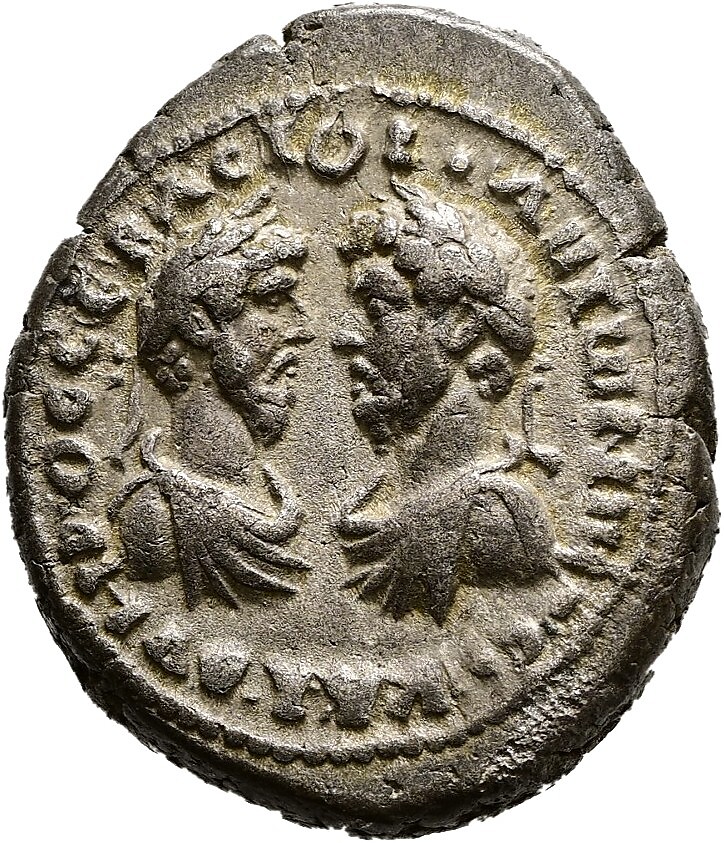
Alexandria: Marcus Aurelius und Lucius Verus61 n. Chr.
InfoTetradrachme, Billon, geprägt
Ø 26 mm, 12,29 g
BildrechteFoto: Hamburger Kunsthalle
Tetradrachme, Billon, geprägt Ø 26 mm, 12,29 g Foto: Hamburger Kunsthalle Alexandria: Marcus Aurelius und Lucius VerusTetradrachme, Billon, geprägt Ø 26 mm, 12,29 gFoto: Hamburger Kunsthalle
Der Fluss1947
InfoBlei
124 x 230 x 163 cm
BildrechteHamburger Kunsthalle
© Hamburger Kunsthalle / bpk Foto: Christoph Irrgang
Blei124 x 230 x 163 cm Hamburger Kunsthalle © Hamburger Kunsthalle / bpk Foto: Christoph Irrgang Aristide Maillol1861 - 1944 Der FlussBlei124 x 230 x 163 cmHamburger Kunsthalle © Hamburger Kunsthalle / bpk Foto: Christoph Irrgang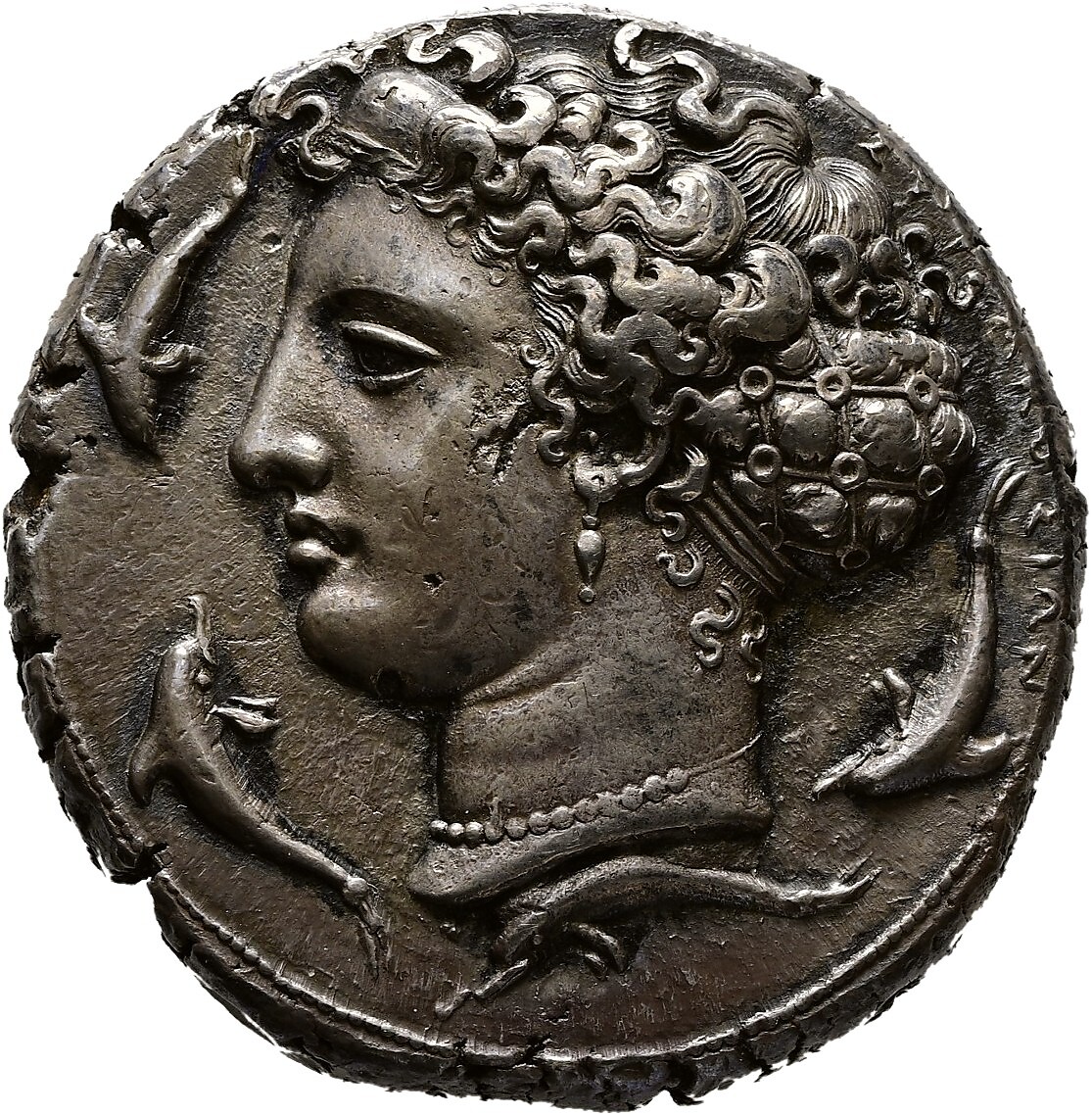
Dekadrachme um 400 v. Chr.
InfoSilber, geprägt
Ø 35 mm, 43,28 g
BildrechteFoto: Hamburger Kunsthalle, nur Rückseite
Silber, geprägtØ 35 mm, 43,28 g Foto: Hamburger Kunsthalle, nur Rückseite SyrakusDekadrachmeSilber, geprägtØ 35 mm, 43,28 gFoto: Hamburger Kunsthalle, nur Rückseite 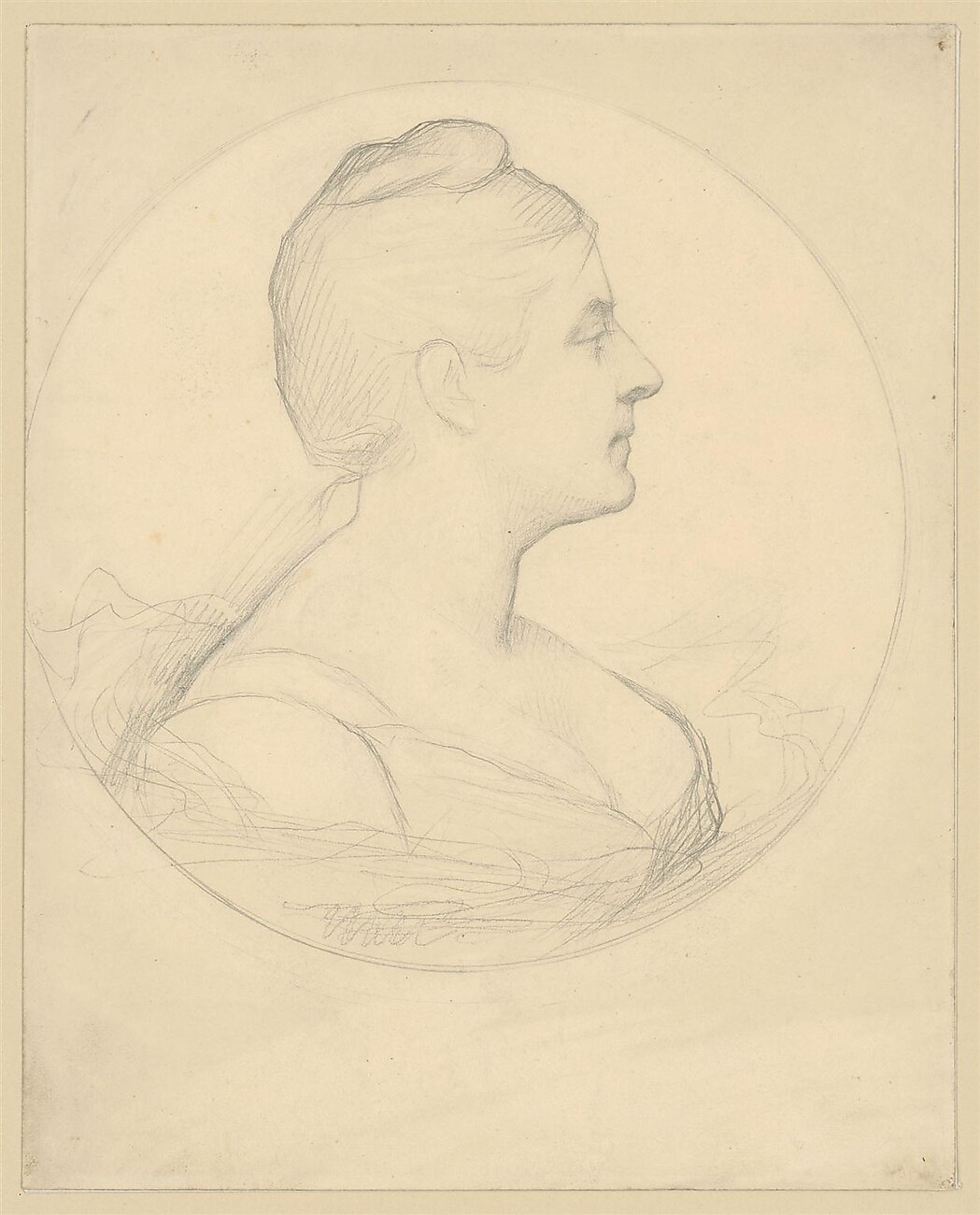
Bildnis einer Frau im Profil nach links
InfoZeichnung in Bleistift
298 x 237 mm
BildrechteHamburger Kunsthalle, Kupferstichkabinett
© Hamburger Kunsthalle / bpk Foto: Christoph Irrgang
Zeichnung in Bleistift298 x 237 mm Hamburger Kunsthalle, Kupferstichkabinett© Hamburger Kunsthalle / bpk Foto: Christoph Irrgang Jules Clément Chaplain1839–1909Bildnis einer Frau im Profil nach linksZeichnung in Bleistift298 x 237 mmHamburger Kunsthalle, Kupferstichkabinett© Hamburger Kunsthalle / bpk Foto: Christoph Irrgang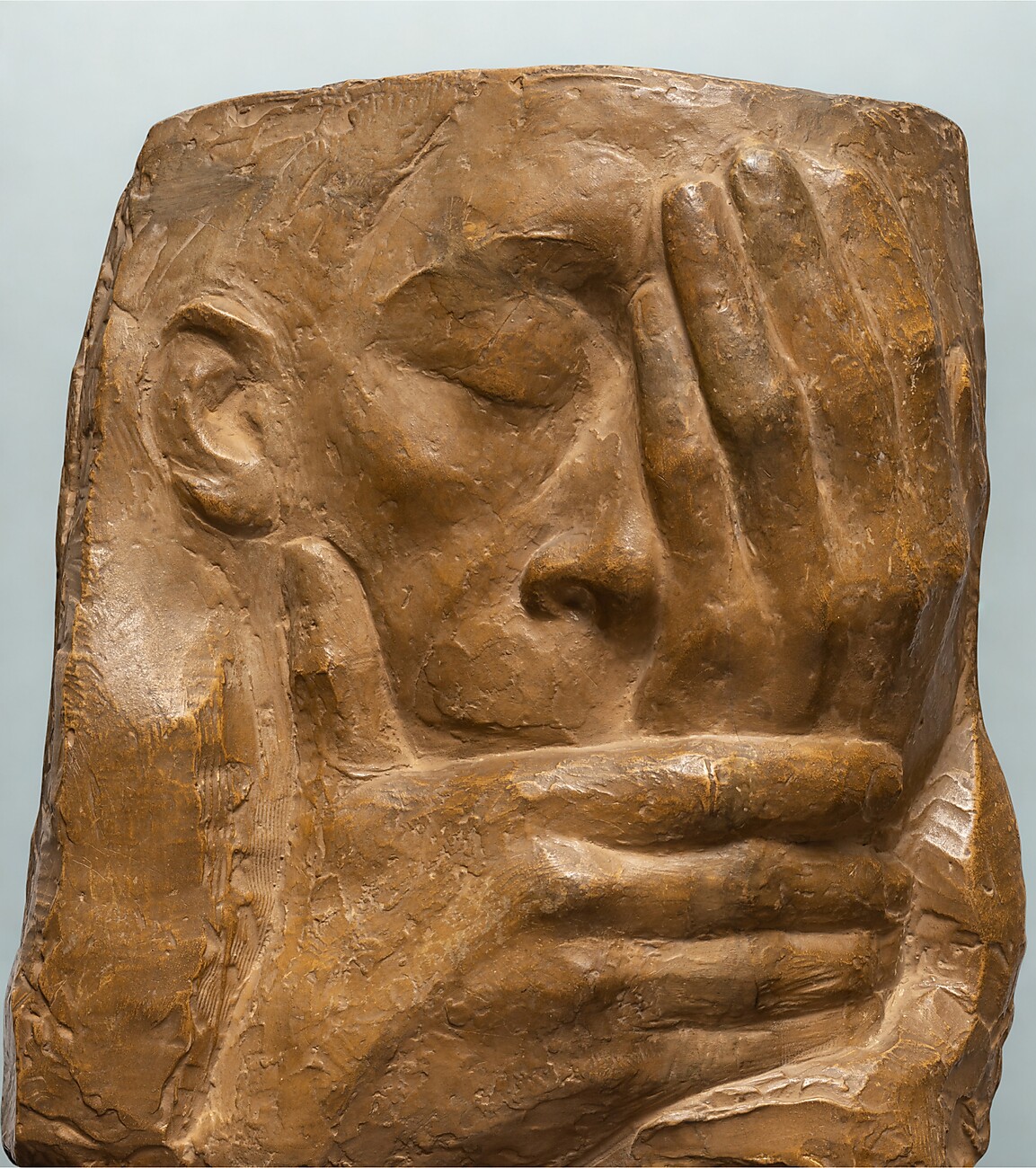
Die Klage1938/39
InfoStucco
27,8 x 26,4 x 9,9 cm
BildrechteHamburger Kunsthalle
© Hamburger Kunsthalle / bpk, Foto: Christoph Irrgang
Stucco27,8 x 26,4 x 9,9 cm Hamburger Kunsthalle© Hamburger Kunsthalle / bpk, Foto: Christoph Irrgang Käthe Kollwitz1867 - 1945Die KlageStucco27,8 x 26,4 x 9,9 cmHamburger Kunsthalle© Hamburger Kunsthalle / bpk, Foto: Christoph Irrgang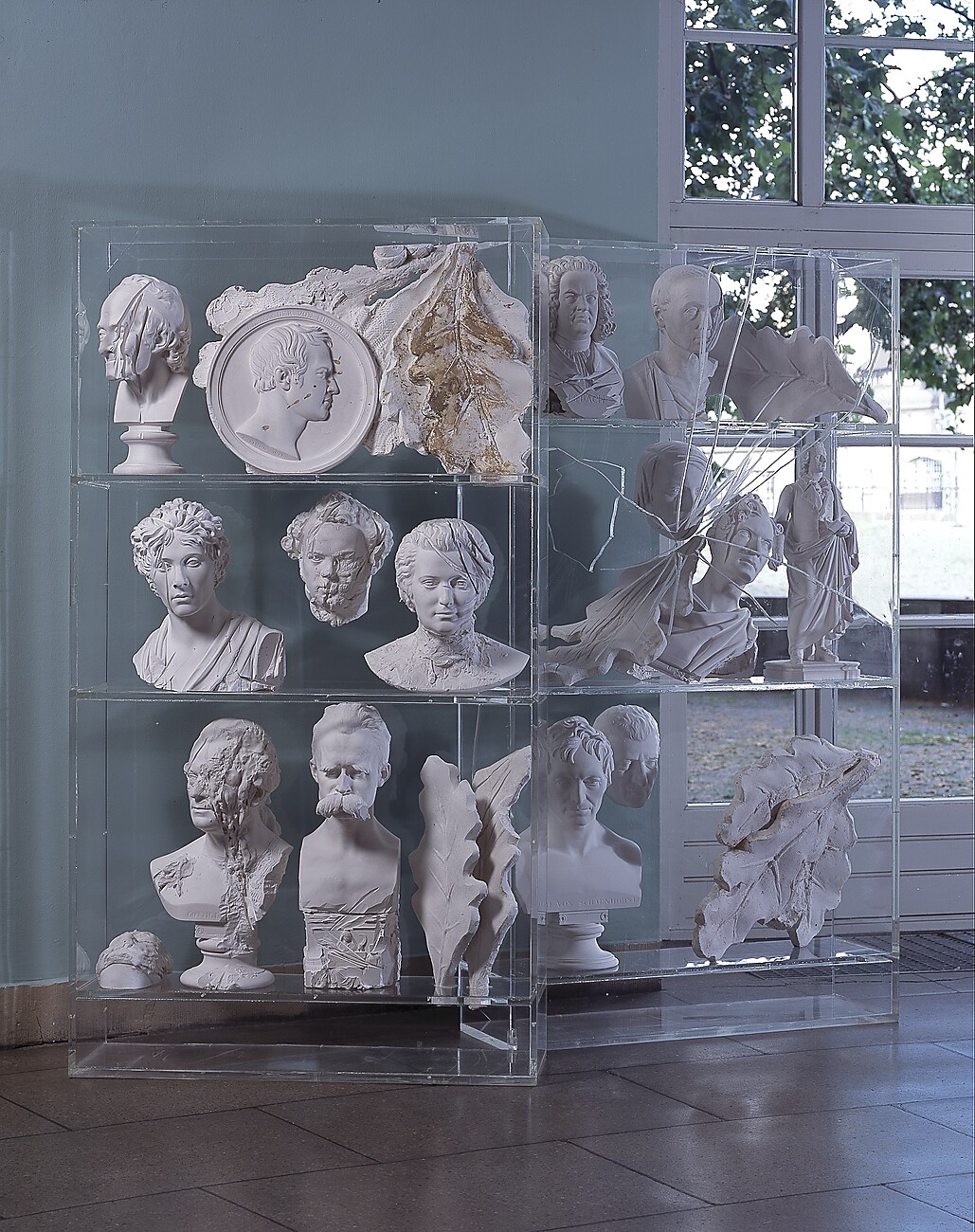
Eichenlaubstudie1986
InfoZwei Vitrinen aus Acrylglas; Gipsbüsten, mit der Trennscheibe u. Gips bearbeitet
Maße der Vitrinen je 200 x 110 x 35 cm
BildrechteGeschenk der Freunde der Kunsthalle e.V. zum fünfjährigen Bestehen der Galerie der Gegenwart, 2002, Hamburger Kunsthalle / bpk, © VG Bild-Kunst, Bonn 2025
Foto: Christoph Irrgang
Zwei Vitrinen aus Acrylglas; Gipsbüsten, mit der Trennscheibe u. Gips bearbeitetMaße der Vitrinen je 200 x 110 x 35 cm Geschenk der Freunde der Kunsthalle e.V. zum fünfjährigen Bestehen der Galerie der Gegenwart, 2002, Hamburger Kunsthalle / bpk, © VG Bild-Kunst, Bonn 2025Foto: Christoph Irrgang Olaf Metzel*1952EichenlaubstudieZwei Vitrinen aus Acrylglas; Gipsbüsten, mit der Trennscheibe u. Gips bearbeitetMaße der Vitrinen je 200 x 110 x 35 cmGeschenk der Freunde der Kunsthalle e.V. zum fünfjährigen Bestehen der Galerie der Gegenwart, 2002, Hamburger Kunsthalle / bpk, © VG Bild-Kunst, Bonn 2025Foto: Christoph Irrgang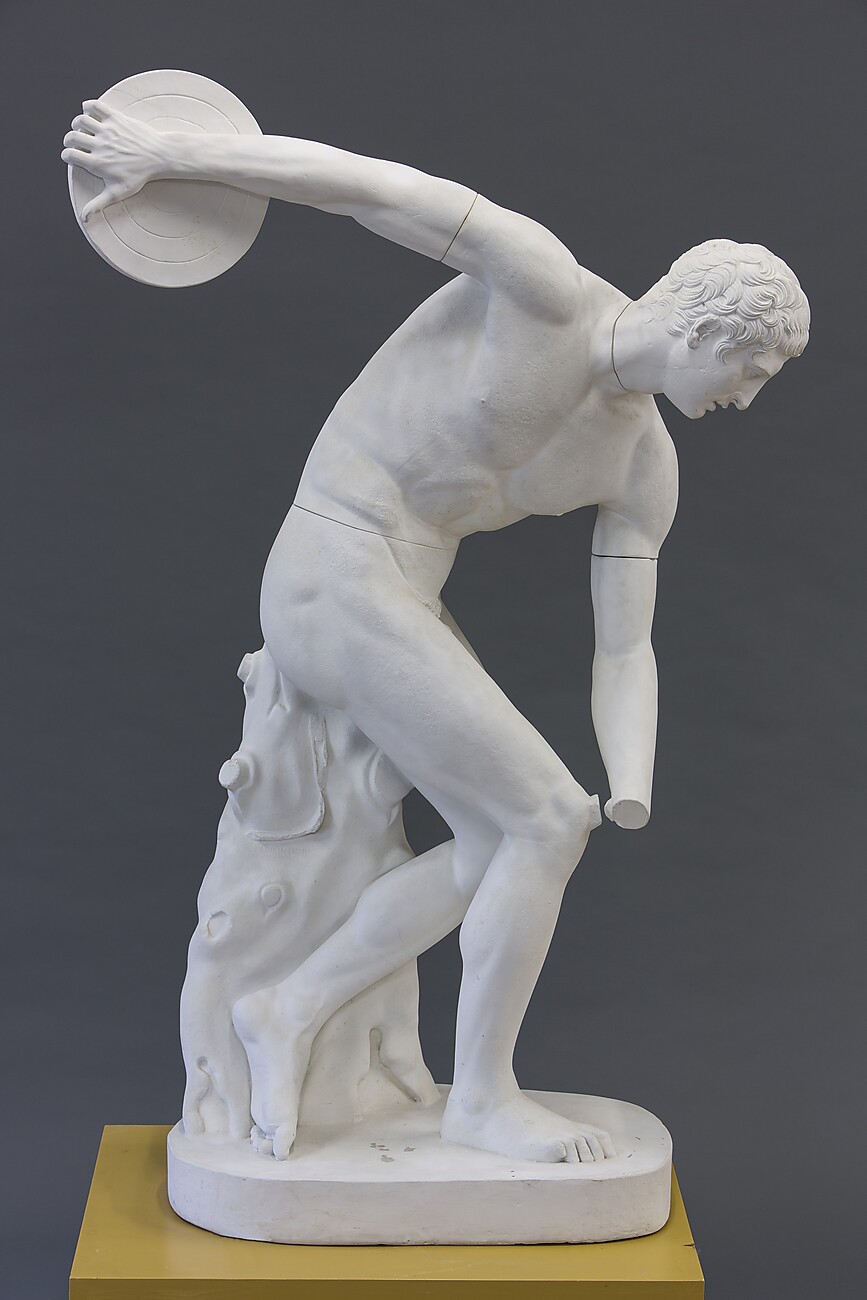
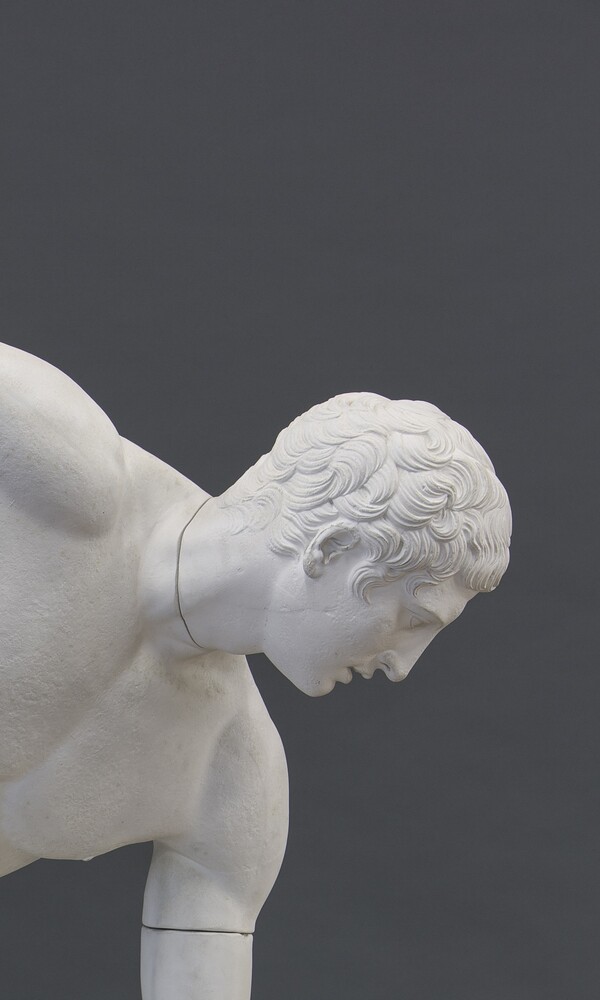
Gipsabguss nach Diskobol des MyronOriginal um 460 v. Chr., römische Kopie 117–138 n. Chr., 2. Hälfte 19. Jh.
Info BildrechteUniversität Hamburg
Foto: UHH-RRZ-MCC-Mentz